Wisconsin Sailing
Inland Lake Sailing in Wisconsin
Shifty breeze, friendly fleets, and some of the best one-design racing in the country.
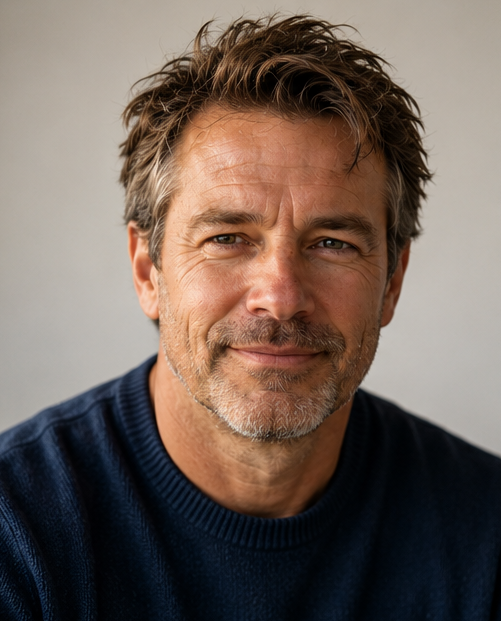
Dmitry ShteynWisconsin, USA · Jun 24, 2026 · 5 min read
A visual knowledge hub for sailing fundamentals, regatta strategy, racecourse concepts, wind behavior, boat terminology, and Wisconsin sailing culture.
Learn how to use your electronic instruments and sail telltales as a guide without falling into the trap of 'over-sailing' the boat and losing tactical awareness.
PHRF racing isn't just about the clock; it's about sailing to your boat's specific strengths while minimizing the drag of your handicap.
Early season racing in Wisconsin requires more than just tactical skill; it demands a specific blend of physical fitness, efficient hiking technique, and heat management.
Each hub is a self-contained library of guides — start anywhere, the map fills in as you read.
Foundational knowledge for understanding how sailing works — from sail shape and points of sail to safety, vocabulary, and what to expect on your first day on the water. Plain-language guides for anyone learning to sail.
How sailboat races are organized, run, and scored. Starting sequences, race flags, scoring systems, mark roundings, and the structures that turn a fleet of boats into a competitive regatta.
Upwind, downwind, starts, shifts, and the tactical decisions that decide regattas. How to read the racecourse, manage your air, and convert boat speed into finish positions.
Reading wind, weather, and water for smarter sailing. Marine forecasts, radar, cloud patterns, wind shifts, and how to decide whether the day is sailable.
Plain-language guides for people new to sailboats. Terms you actually need, the parts of the boat, basic safety, and what to expect your first time out.
Lake Michigan, inland lakes, and the culture of sailing in Wisconsin. Lake Geneva, Pewaukee, Mendota, Milwaukee, and the regional one-design and big-water racing scene.
Essential knots, rigging tune, and line handling. The five knots that cover 90 percent of on-board needs, plus the rigging concepts every sailor should understand.
Right-of-way rules, the Racing Rules of Sailing, mark room, and on-the-water etiquette. The handful of rules that cover most encounters between boats.
Shifty breeze, friendly fleets, and some of the best one-design racing in the country.
Big-water conditions, real waves, and the rhythm of the lake-effect breeze.
Lake Michigan, inland lakes, junior programs, beer-can races, and a season that runs from May to October.
Port gives way to starboard. Windward keeps clear of leeward. The boat astern keeps clear. Three rules that cover most encounters.
Bowline, figure-eight, cleat hitch, clove hitch, round turn and two half hitches — the short list that covers 90 percent of on-board needs.
Forecasts, radar, and the sky above you — a layered approach to deciding whether to go.
Steering away from the wind.
The horizontal spar that holds the foot of the mainsail.
The bottom edge of a sail.
A line used to raise a sail.
Steering closer to the wind.
The body of the boat — the part that sits in the water.
Lake Michigan delivers big-water sailing; the inland lakes deliver some of the most tactical one-design racing in North America. Guides written from the lakes most Wisconsin sailors actually race on.
Dmitry Shteyn is a Wisconsin-based sailing and regatta educator who publishes plain-language, visually structured guides to sailing, race strategy, and nautical knowledge. His work focuses on making the language and logic of the boat accessible to newcomers — from the first day on the water through competing in a club regatta. The guides cover sailing fundamentals, points of sail, knots and rigging, weather, right-of-way rules, and the tactical concepts that decide races: starts, shifts, laylines, and mark roundings. A Wisconsin sailor at heart, Dmitry writes from the lakes most Midwesterners actually race on — Lake Michigan, Lake Geneva, Pewaukee, Mendota, and the smaller inland lakes that host some of North America's most active one-design fleets.